UW–Madison has long been a place for individuals who shape the world through their ideas, artistry, and activism to come together. From global leaders and civil rights pioneers to musicians and spiritual thinkers, these change makers have brought their voices, experiences, and visions of justice to campus. Their visits sparked dialogue, inspired action, and challenged audiences to think critically about the responsibilities Badgers share as members of a global community.
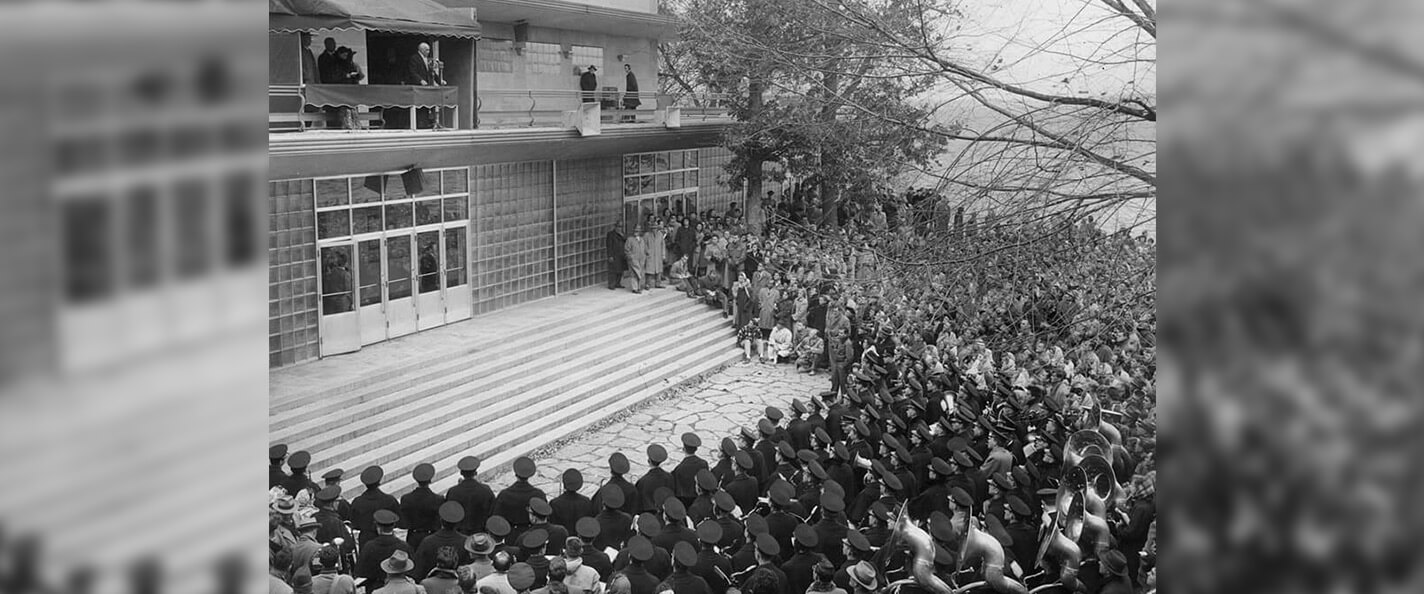
Following India’s independence in 1947, Jawaharlal Nehru, the nation’s first prime minister, emerged as a global leader advocating for democracy, peace, and cooperation among newly independent nations. On November 4, 1949, near the end of a three-and-a-half-week U.S. tour, Nehru visited the University of Wisconsin, accompanied by his daughter Indira Gandhi, who would later become India’s first (and so far only) female prime minister. The university welcomed them with a formal program at Memorial Union that included speeches by Governor Oscar Rennebohm and university president E. B. Fred, as well as the first-ever campus performance of the Indian national anthem by 50 Indian Badgers. In an address broadcast across Wisconsin and Michigan, Nehru spoke about international cooperation, the shared value of education in advancing peace, and the responsibilities of nations in a changing world.
Support future generations of Badgers with a gift to the WAA Scholarship Fund.
Make a Gift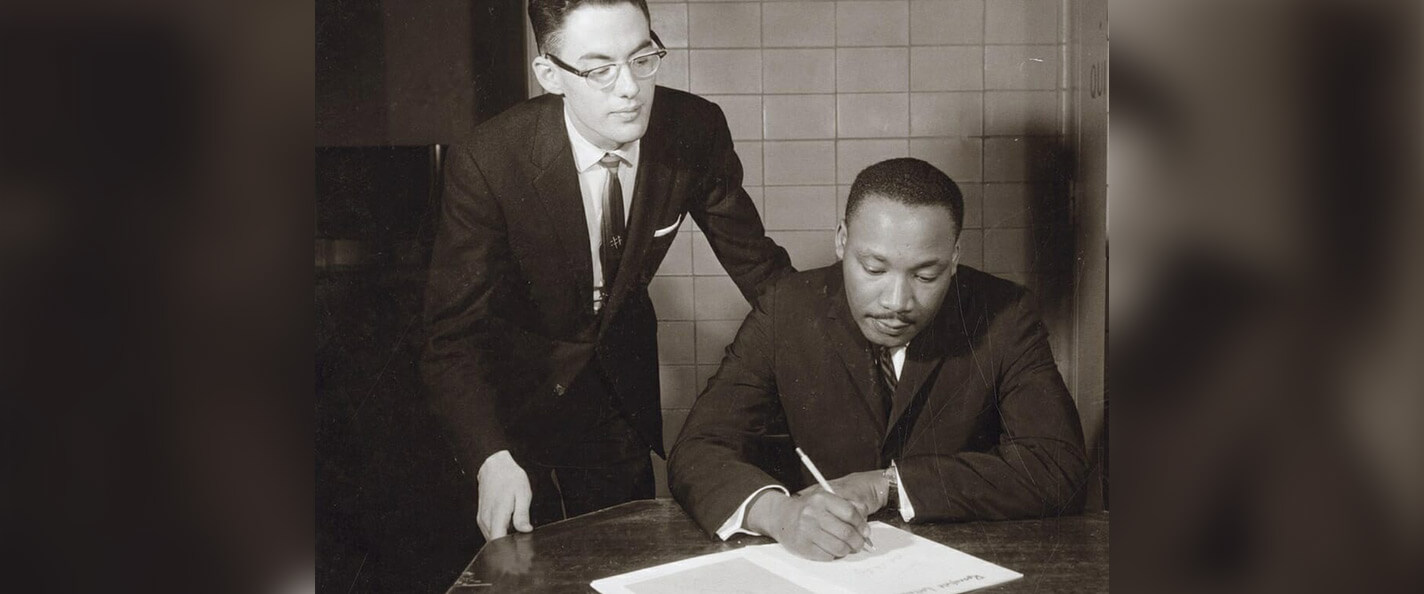
In the early 1960s, as the civil rights movement was reshaping the nation, Martin Luther King Jr. brought his message of justice and equality to the UW. Student organizers lobbied to bring him to campus, and on March 30, 1962, King spoke at the Wisconsin Union Theater about the need for racial justice and freedom for all. A few years later, after leading the March on Washington, helping pass the Civil Rights Act, and winning the Nobel Peace Prize, King returned on November 23, 1965, to a full house at the Stock Pavilion, where he spoke about the continuing work of integration and the power of nonviolent action. Listen to the full recording.
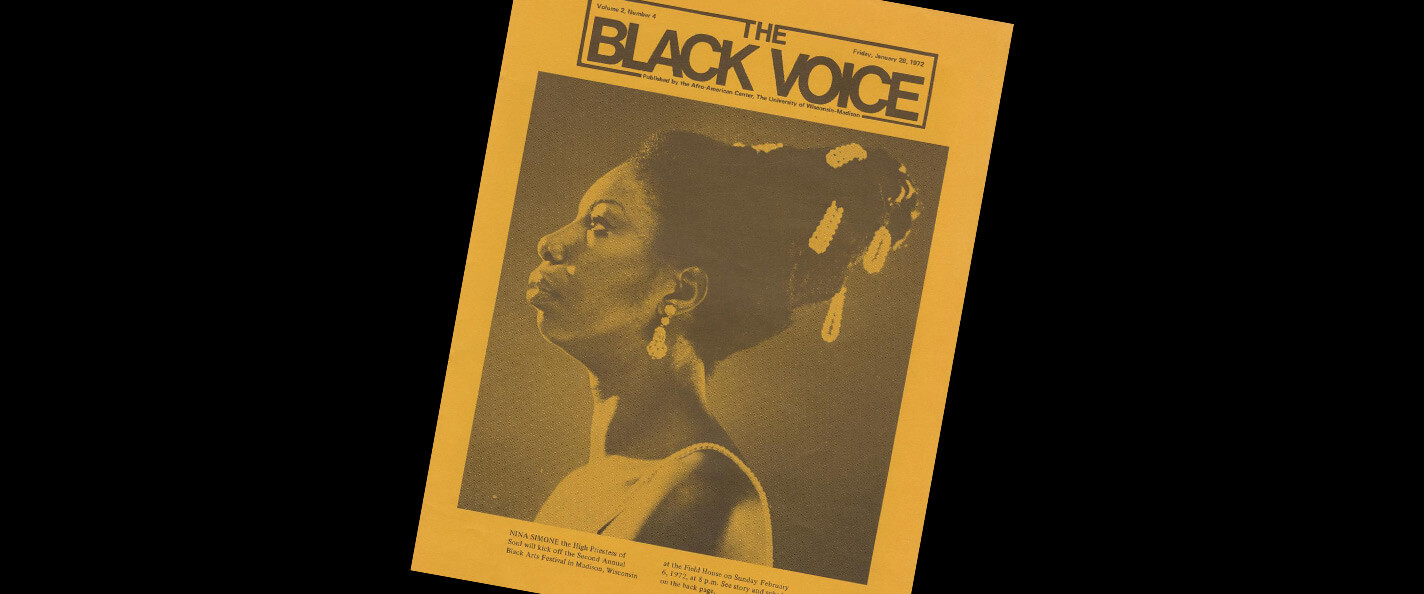
Singer, pianist, and songwriter Nina Simone’s music became a powerful voice for the civil rights and Black liberation movements. She brought her activism and artistry to campus in 1972, when she opened the Black Arts Festival at the Field House on February 6. Known for blending jazz, blues, classical, and protest, her concerts served as platforms to confront injustice and inspire audiences to think deeply about race, freedom, and collective action.
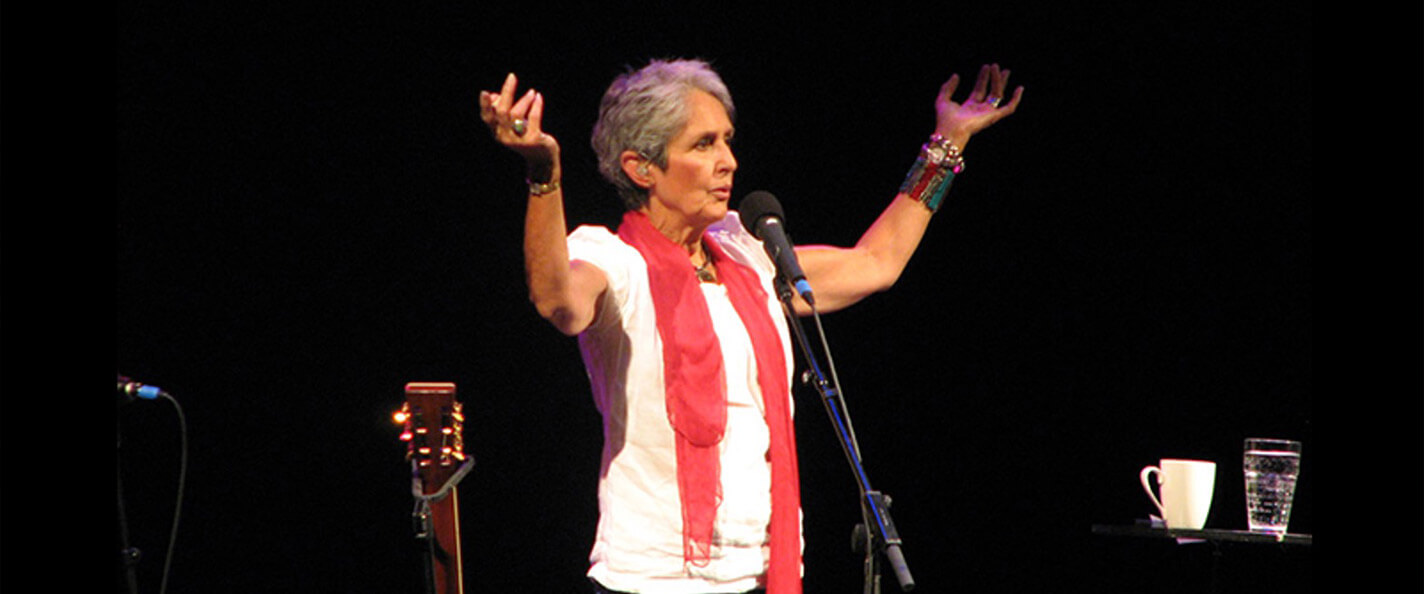
Folk singer and activist Joan Baez has spent decades using her music to advance civil rights, nonviolence, and social justice. She performed at the 1963 March on Washington, opposed the Vietnam War, supports LGBTQ+ rights, and champions human rights worldwide. In her many visits to Madison, including a performance at the Union Theater in 2010, Baez has performed music and lyrics that demonstrate how artistry and advocacy can intersect, serving as both a call to conscience and a catalyst for social change.
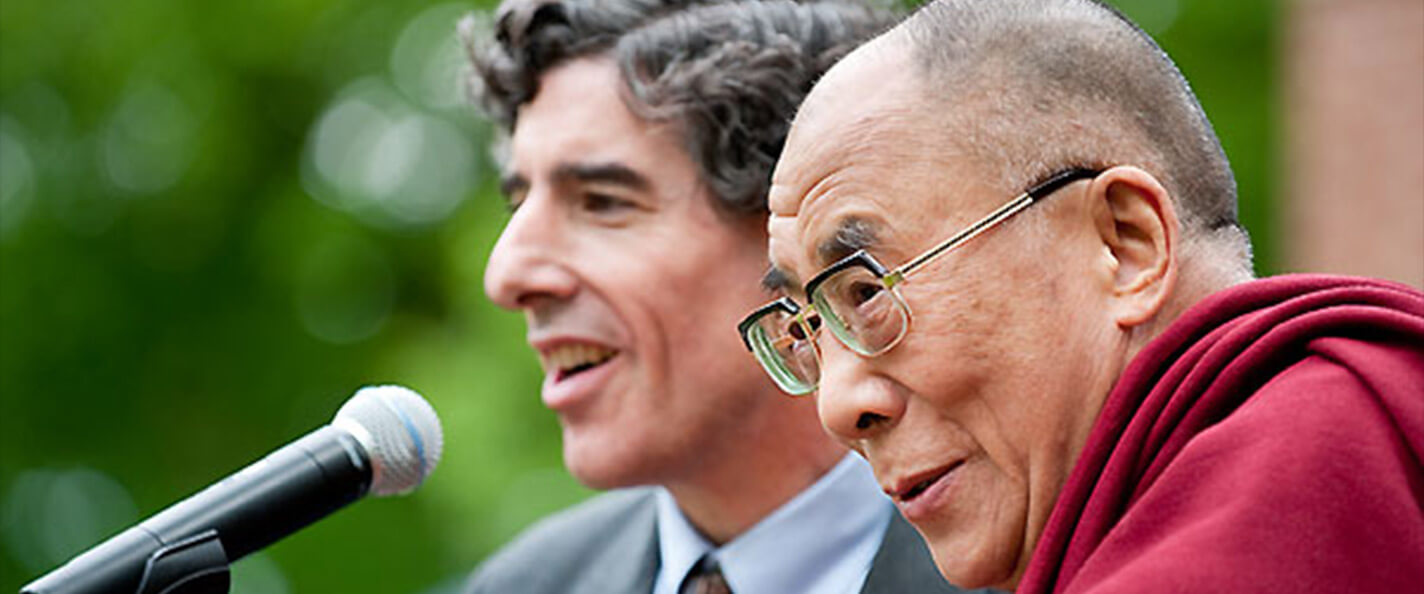
His Holiness the 14th Dalai Lama has visited UW–Madison several times, bringing conversations about mental health and global well-being to campus. During a 2010 visit, he helped mark the public opening of the Center for Healthy Minds. Together with longtime collaborator and UW professor of psychology and psychiatry Richard Davidson, the Dalai Lama discussed how practices like meditation connect science with emotional well-being and encouraged audiences to think about how caring for the mind can shape healthier communities and a more compassionate world.


