

According to Zhenhang Cai, problem solving works best when we center communities and focus on collaboration. And she’s ready to carry on that approach at UW–Madison using digital tools and models.
Cai is an assistant professor in the Department of Planning and Landscape Architecture. She joined the UW this fall after receiving her doctorate in urban and regional science and her master’s degree in landscape architecture at Texas A&M University. Her research combines climate‑adaptive design, environmental justice, and geospatial analytics to address flooding, pollution, and other public health challenges communities face. Her collaborative approach helps solve problems, and she works with community leaders and university colleagues to create unique solutions.
“We explore the problems, we bring our scientific knowledge to the table, and we see what we can do,” she says.
For Cai, the problem-solving process always starts with a community need, anything from mitigating the effects of natural disasters to creating more community engagement. Problems vary and require unique and complex solutions. When a community reaches out, she likes to build a tailored team of experts to address that community’s specific issues. For example, if a local group reaches out about flooding concerns, a team might consist of toxicologists, geographers, civil engineers, and community leaders.
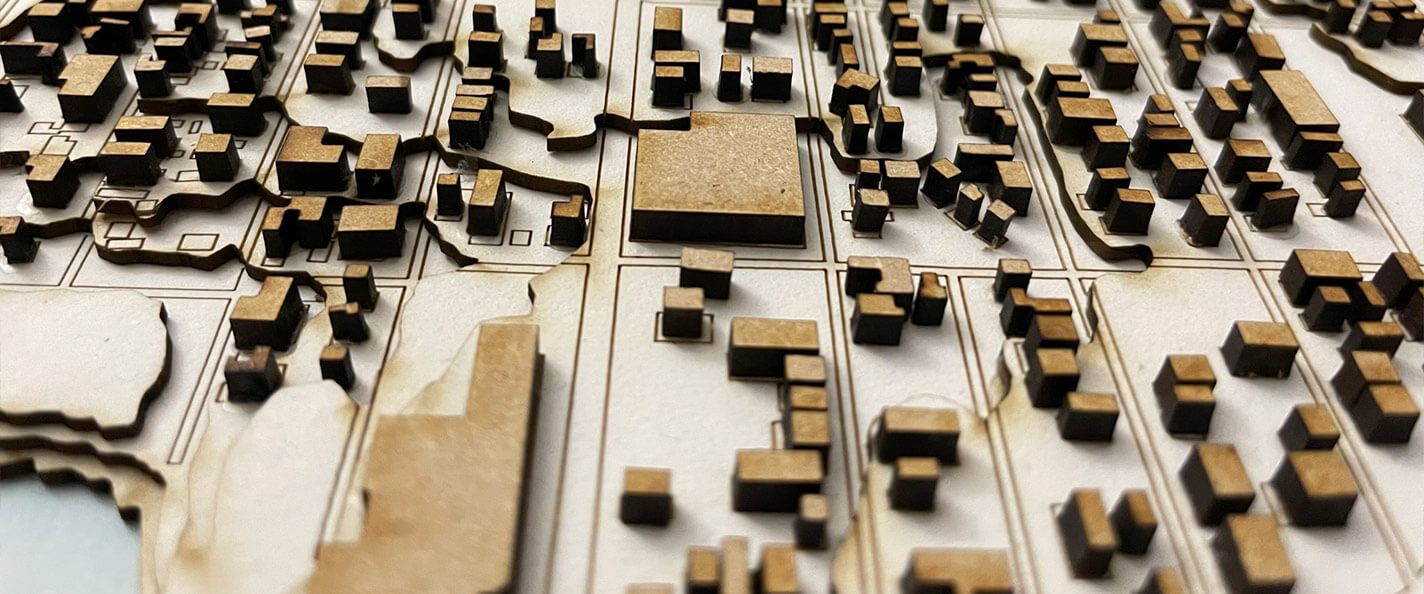
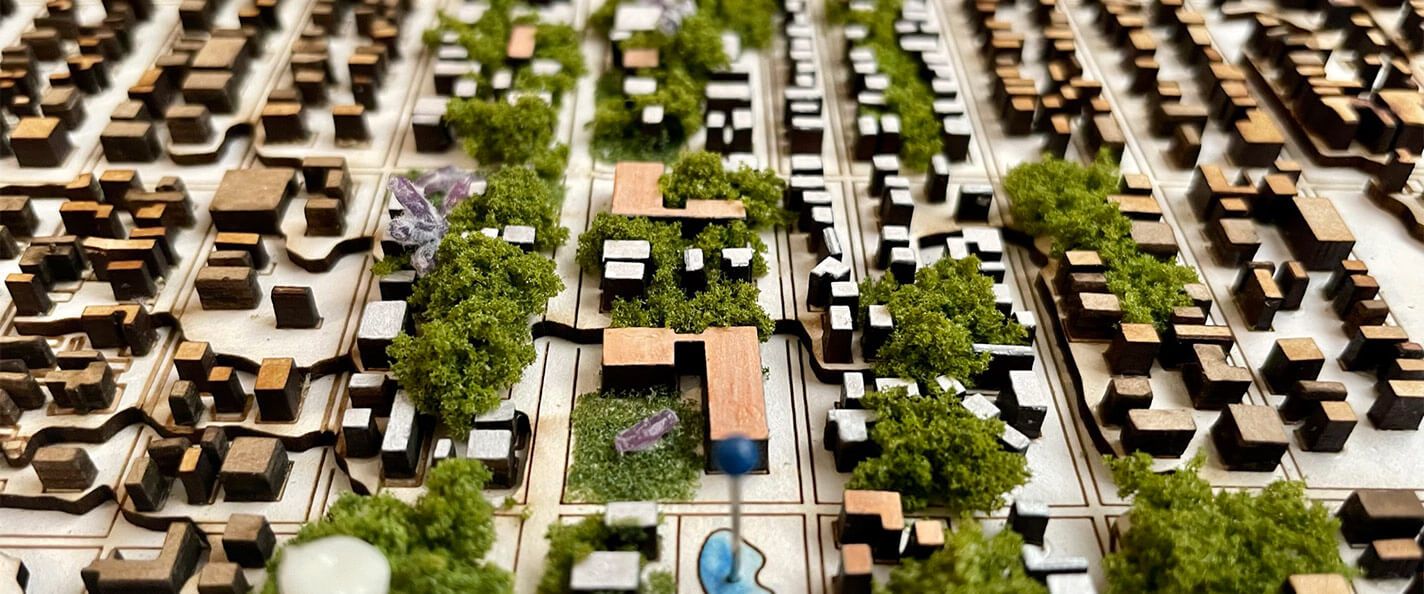
Then, they work together to produce practical solutions to address the issues and present their findings to the community. They receive feedback, incorporate the ideas, and reapproach the problem to fit the community’s needs, including fitting the needs of funding, government requirements, and policies.
“It's like a loop. Until communities are satisfied with what we found and until we know that something can really be built in the real world — we bring them solutions,” Cai says.
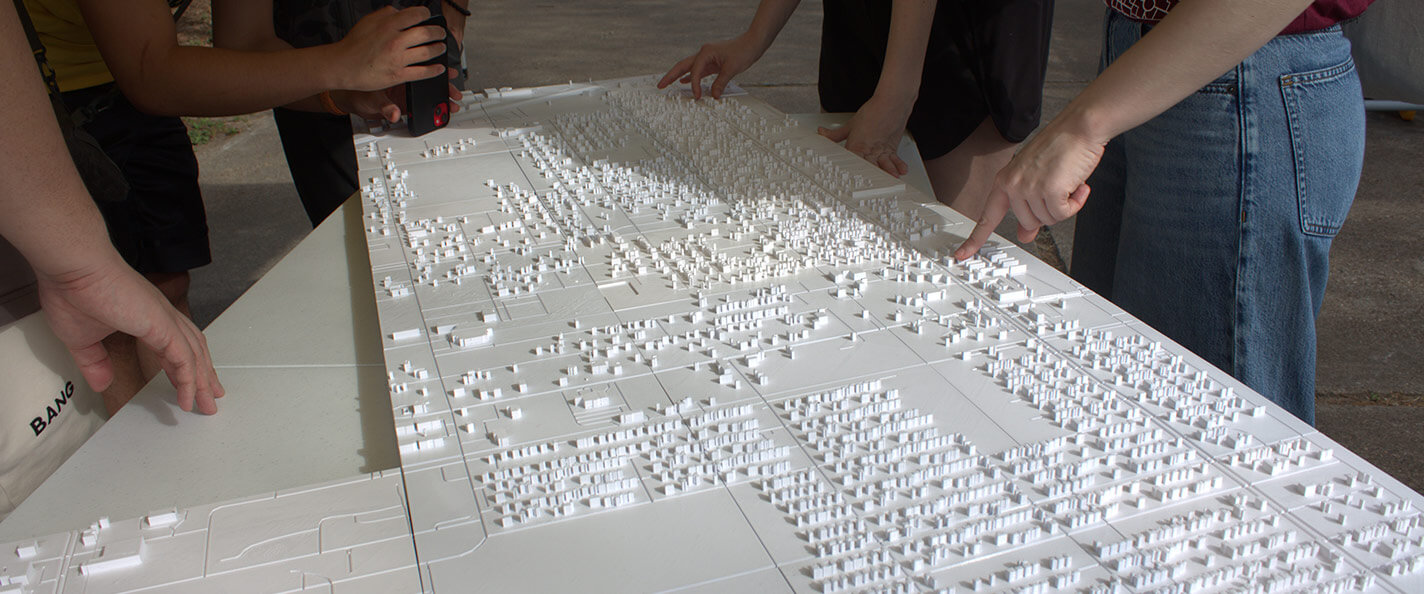
Cai’s expertise is creating 3-D and virtual reality tools and environmental models to demonstrate possible solutions. Her work often addresses industrial risks, land‑use, and climate risks, and she’s dedicated to helping communities make informed decisions through science.
“The most rewarding part is always talking to the residents. When you talk to the people, and they like your idea, or they provide feedback, it means a lot to me,” she says.
Cai also creates accessible, digital dashboards for communities. The dashboards take complex data about a space or location and presents it in an easy-to-use format. The dashboards can help community members make engaged decisions that are informed by data and research.
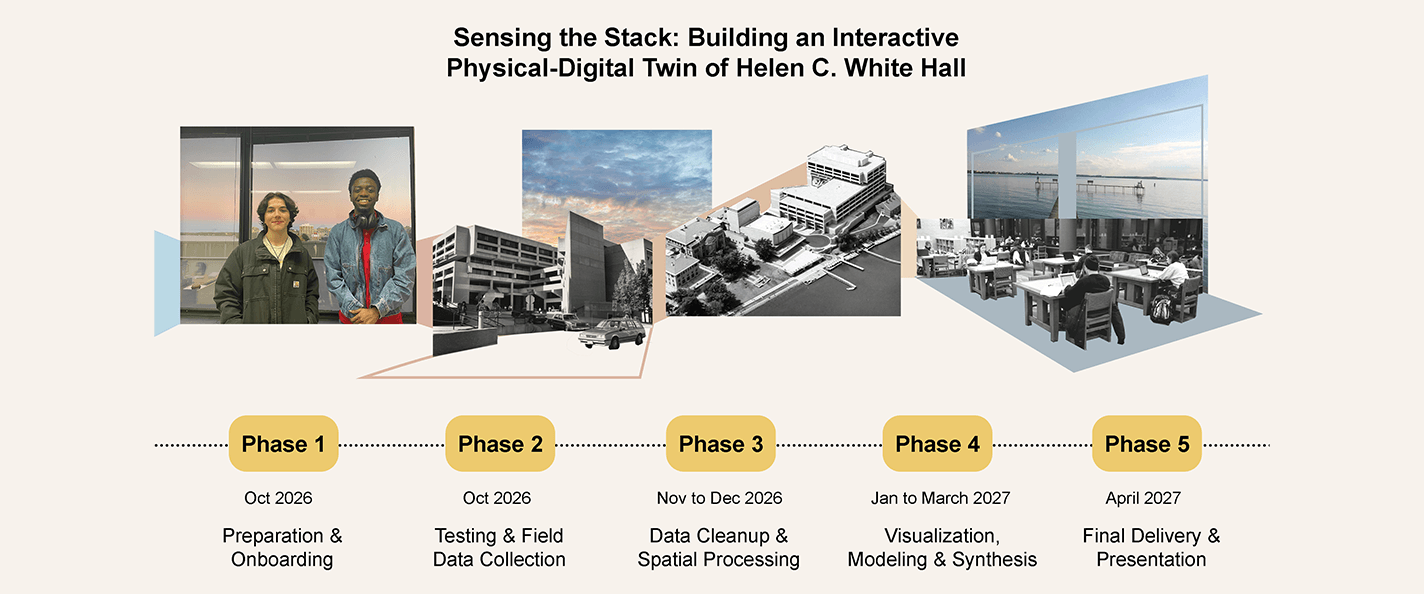
One example of this is Cai’s current project on campus. She’s developing a digital twin, or a digital replica, of the UW’s Helen C. White Hall to create a dashboard designed to help students and faculty find the best study spots in the building. Using data, Cai and her team of student researchers designed a digital twin to model where desks are located, the amount of sun a space gets, and noise levels. Then, they created a public-access dashboard that allows users to filter by what they’re looking for in a study spot. Although this model is just a pilot, Cai says she sees a lot of potential with the project, including expanding to libraries and other community spaces on campus to help Badgers feel more comfortable on campus.
For the experts at the UW’s Department of Planning and Landscape Architecture, the goal is to improve communities by helping create solutions for real-world issues.
“That’s kind of our mission — to make sure we build a better world for people to live, to play, to work.”


