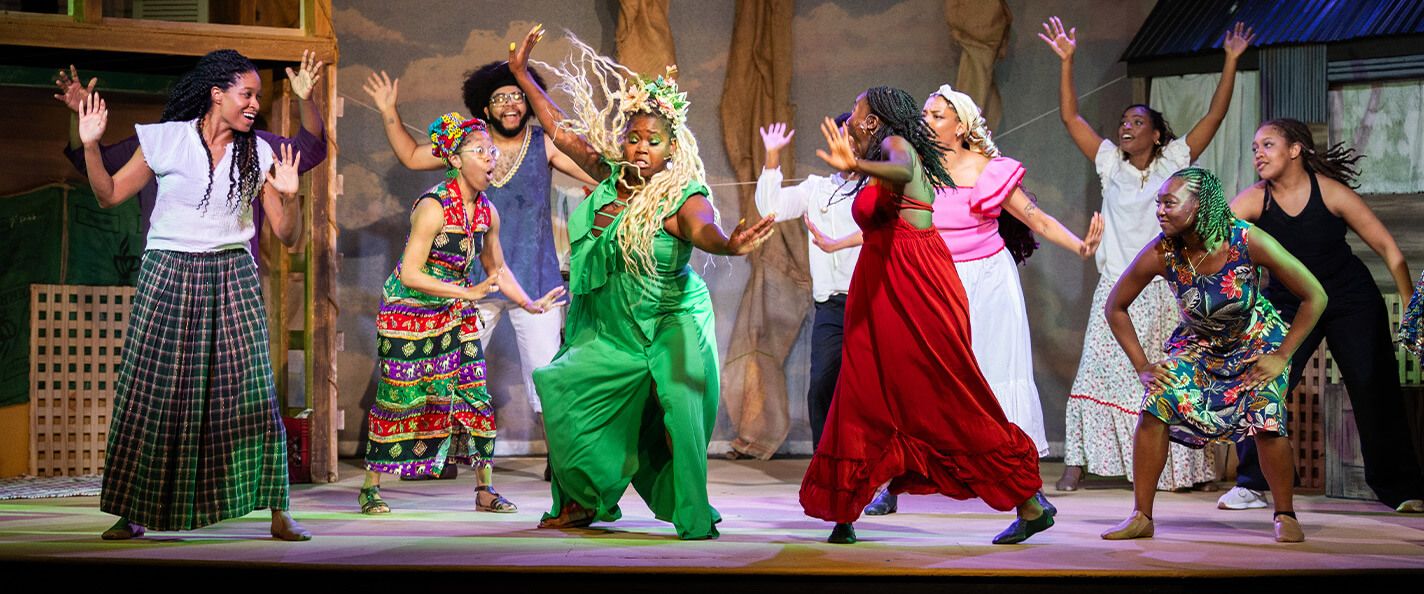
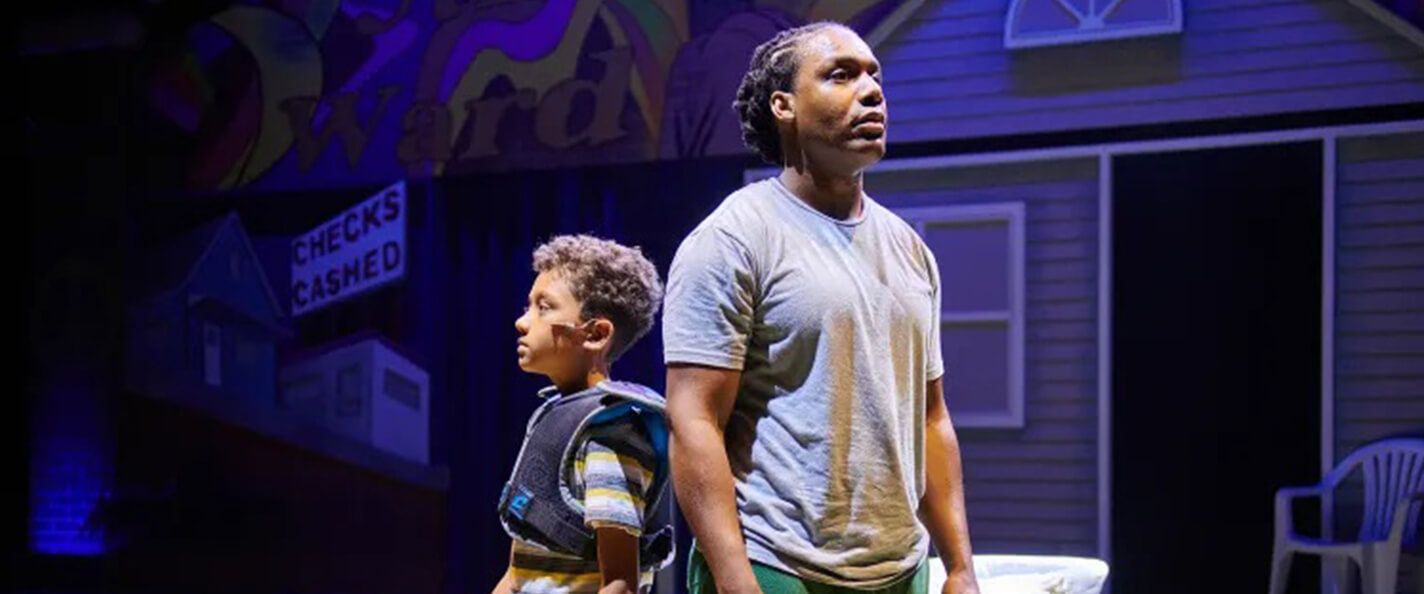
“Speak the speech, I pray you, as I pronounced it to you, trippingly on the tongue.” When Denzel Taylor ’18 walked into a UW–Madison acting class reserved for theater majors, he was a spoken-word poet, not a thespian. A First Wave scholar, Taylor spent years writing poetry and competing in slams, but he had never performed a Shakespearean monologue. When the professor handed him a passage from Hamlet, he approached it as he would a spoken-word piece. “I did well,” Taylor says. “I was pretty much auditioning for the class, and that just sort of got me with the theater bug.”
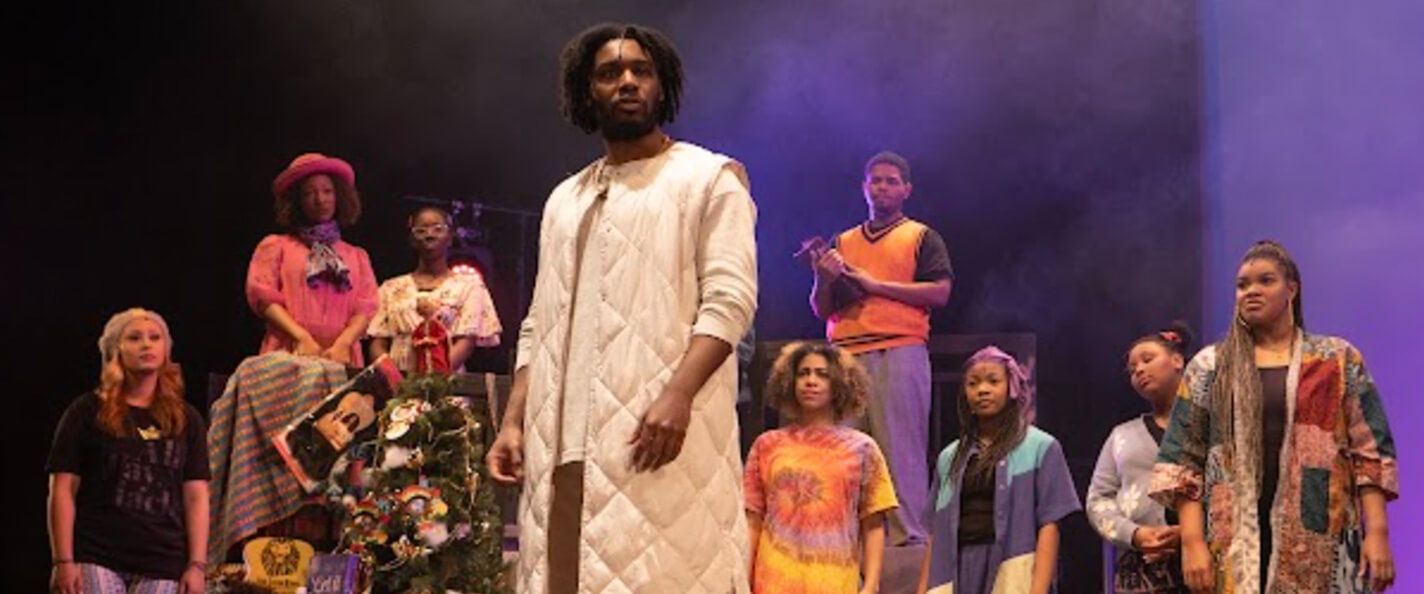
First Wave, UW–Madison’s hip hop and urban arts scholarship program, had brought Taylor to Madison as a poet but introduced him to new ways of thinking about performance. He began acting in plays created by fellow First Wave artists, took acting and directing classes, explored how movement could shape language, and discovered new ways to put stories into the world. “I reached the end of my college career saying, ‘I want to do theater.’”
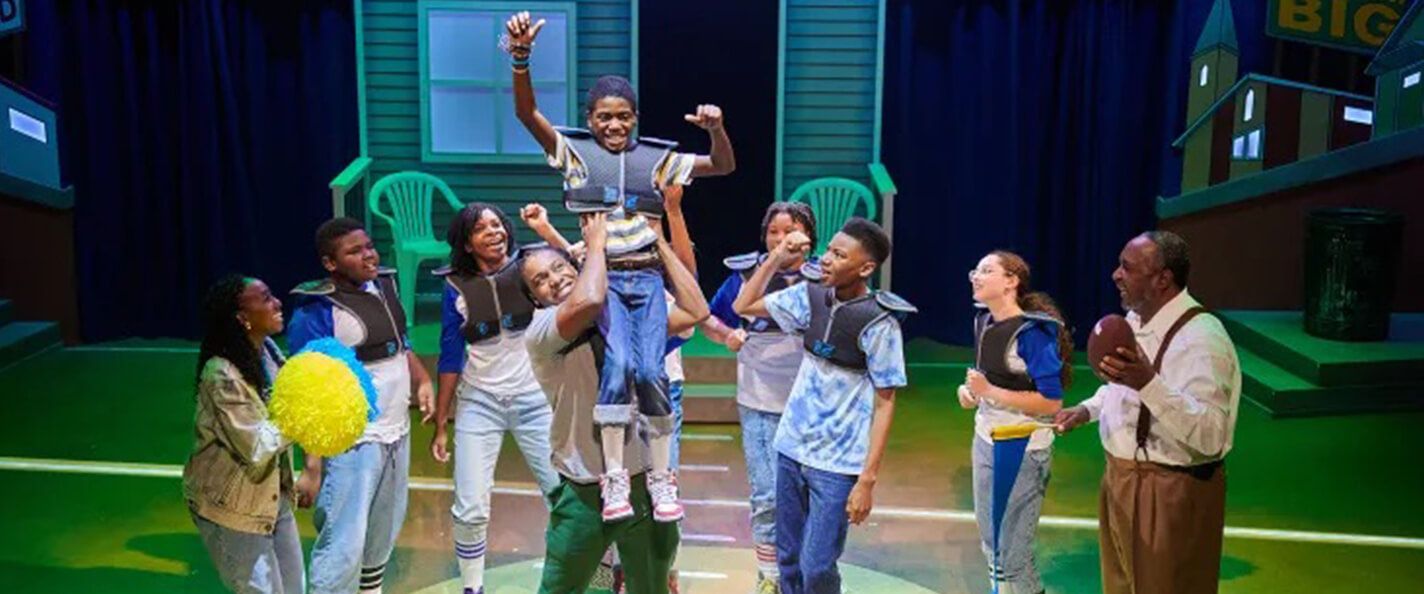
Now a playwright, actor, and director, Taylor’s varied experiences help him approach each role differently. As a writer, he starts with big ideas and breaks them into smaller pieces, mapping connections until he finds a through line that gives the story shape. As a director, he focuses on giving actors the structure they need to explore their own interpretations.
Taylor compares the relationship between director and actor to a glass of water. The actor is the water, free to move and take shape. The director is the glass, providing structure while leaving room for discovery.
“A good director should not think like an actor,” Taylor says. “A good director should think of the actor.”
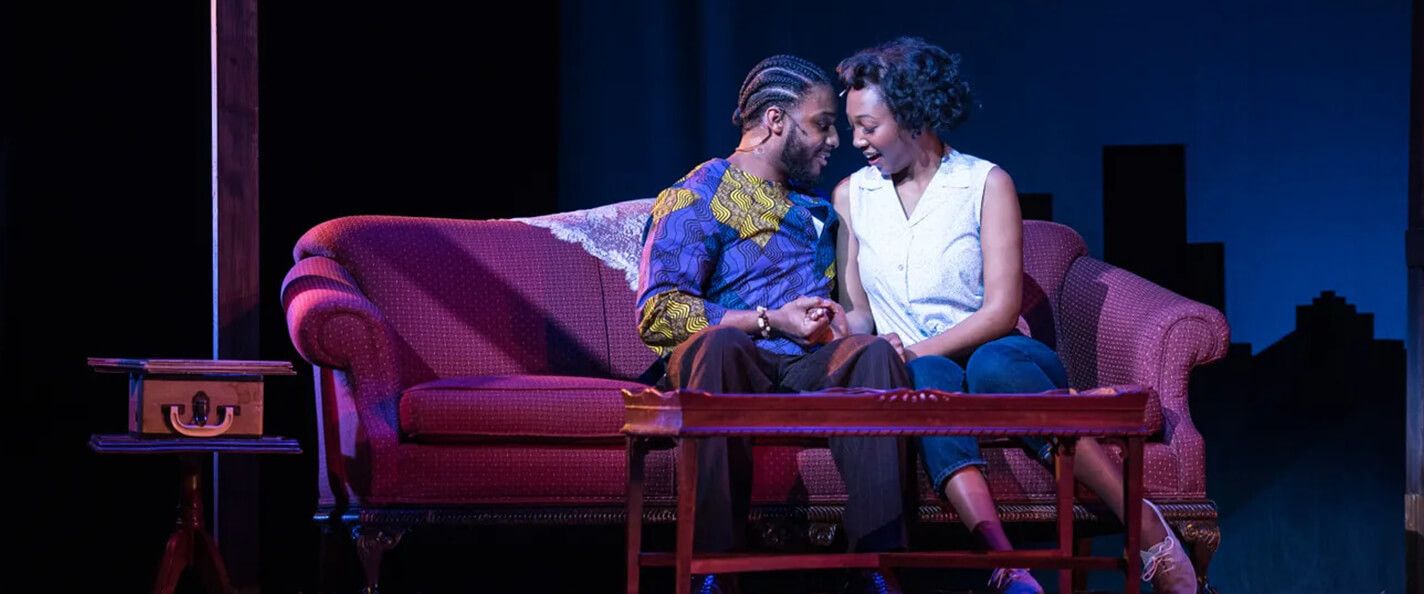
That balance between structure and discovery carries into Taylor’s own writing. He’s developing several plays, including Seeds of a Father, a contemporary story about a Black family whose adult children return home carrying the complicated histories that drove them away. He’s also working on a spookier reimagining of Charlotte’s Web and a play inspired by Anansi, the trickster spider of West African folklore, whose stories raise questions about who owns stories and what it means to preserve a cultural history.
The projects draw from different traditions and occupy different imaginative worlds, but they share Taylor’s interest in how stories shape our understanding of ourselves and one another. Like the actors he directs, the stories continue to evolve once they leave the page.