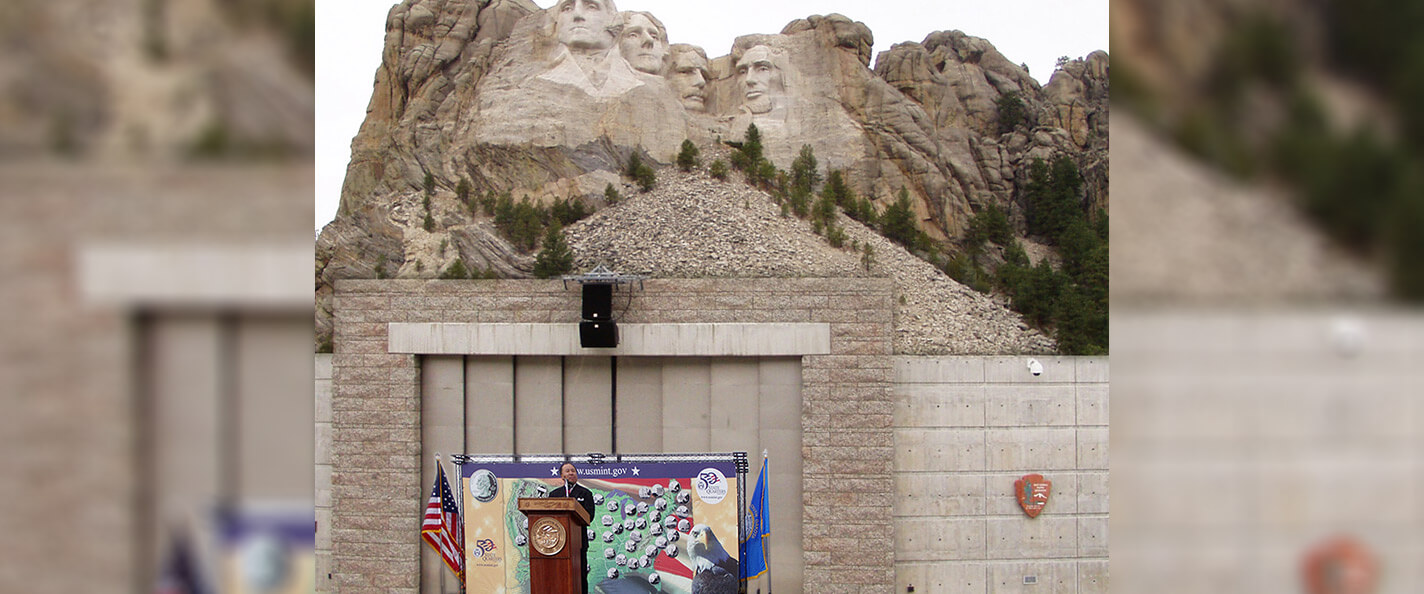
Before Ed Moy ’79 oversaw the nation’s coinage, he was a kid in Waukesha, Wisconsin, digging through his parents’ restaurant cash register for unusual coins — a small fascination that would shape his entire career.
At UW–Madison, that curiosity found new directions. He arrived planning to study medicine, but campus opened his eyes to broader possibilities. Economics, international relations, and political science replaced anatomy and biology. More than anything, Moy was drawn to the idea that smart policies could help millions of people, not just one patient at a time. “The UW exploded my preconceived notions,” he says. “It opened my mind to a lot of different possibilities.”
Support future generations of Badgers with a gift to the WAA Scholarship Fund.
Make a GiftThat belief carried him to Washington, D.C., first in the late 1980s as a political appointee at the agency that oversees Medicare and Medicaid. There, he helped shape the nation’s managed-care system. In 2001, he returned to D.C. to join the White House staff, advising President George W. Bush on key political appointments.
Then came a day that changed everything: September 11, 2001. Secret Service agents burst into Moy’s office, telling him he needed to follow them immediately. Minutes later, he was racing through the West Wing basement toward the bunker officially called the Presidential Emergency Operations Center. The challenge coin he earned that day still sits in his office, a small object that carries a big reminder about how quickly life can change. In the months that followed, Moy served on a task force that helped create the U.S. Department of Homeland Security, shaping a new agency born from that day’s events.
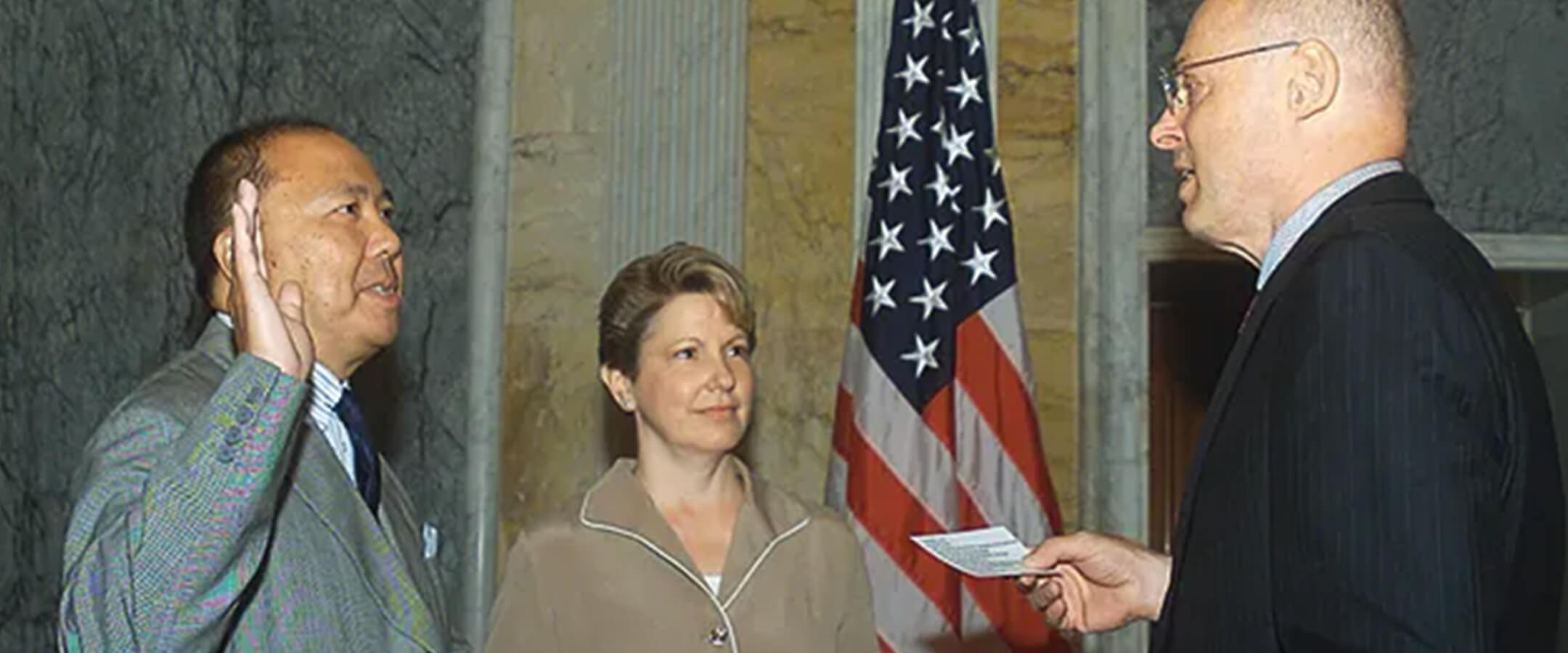
In 2006, he faced new challenges when he became the 38th director of the U.S. Mint. Once the 2008 financial crisis hit, Americans wanted a physical asset they could trust. Moy had to scale up bullion production fast. Under his leadership, the Mint became the world’s top producer of precious metal coins and bullion. For Moy, leading the Mint was more than a job — it was a chance to honor history while shaping the future. “When you look at the Mint’s history, it was the first government agency created under the Constitution. … When you become the Mint director, you’ve just become part of the longest-standing part of government,” he says.
Even after leaving public service, Moy’s curiosity hasn’t slowed. Today, he explores digital currency and ways to make gold spendable, ideas that could transform how people pay. “I’m on the bleeding edge of creating market-based options that give people choices on how they want to pay with their money,” he explains.
Looking back on a journey that took him from an immigrant family in Wisconsin to leading the very organization whose coins he collected as a child, Moy calls it “a really uniquely American story.” His advice is simple: follow your interests, pursue your passions, and do the very best you can in every opportunity. Moy’s story shows how curiosity and the courage to pivot can mint a legacy as enduring as gold.